













Referral Program
Know someone? Tell them about Chelsea!

Mental health matters at every age. As people get older, health needs often change. Many families focus on physical concerns like balance, strength, or chronic illness. Those are important. But senior mental health is just as important.
Mental health for seniors affects mood, memory, energy, and daily life. It can also impact sleep, appetite, and motivation. When mental health struggles go unnoticed, they can lead to bigger problems over time.
The good news is that support is available. With awareness and the right care, seniors can improve their emotional well-being and enjoy a better quality of life.
Many older adults face major life changes. These changes can create stress, grief, and loneliness. In some cases, they may also contribute to depression or anxiety.
Mental health concerns are not a normal part of aging. They are real health issues. Seniors deserve the same understanding and treatment as anyone else.
Some older adults avoid asking for help because of stigma. Others may not realize what they feel is a mental health concern. This is why education and support are so important.
The number of older adults continues to grow worldwide. Many experts predict the global senior population will rise significantly in the coming decades. As the number of seniors increases, the need for emotional and behavioral health support grows too.
Many older adults experience conditions such as:
Families and caregivers play a key role in noticing early warning signs and helping seniors get the support they need.
Mental health and physical health are closely connected. When someone feels lonely, anxious, or depressed, their physical health can suffer too.
Seniors who struggle emotionally may be more likely to experience:
Social connection also matters. Many older adults live alone, which can increase the risk of loneliness. Some seniors stay active and connected. Others may become isolated without realizing it.
A senior can still feel lonely, even when others are nearby. Families should pay attention to emotional changes, not just living arrangements.
Several factors can increase the risk of mental health challenges later in life. Many health changes or major life events cause them.
Common risk factors include:
A senior may also avoid social activities due to mobility issues or fear of falling. Over time, this can lead to disconnection and sadness.
Recognizing early signs can make a major difference. Many symptoms are subtle at first. They may appear as changes in behavior or personality.
Possible warning signs include:
If these changes happen quickly or feel unusual, families should take them seriously. It is always worth asking questions and seeking support.
Any mention of suicide must be taken seriously. Some seniors may express these feelings directly. Others may hint at them through statements like:
If a senior expresses suicidal thoughts, it is critical to get help right away. Families should contact a medical professional immediately and stay with the person whenever possible.
Substance use can affect older adults more than many people realize. Alcohol or medication misuse may increase due to stress, grief, or unmanaged mental health symptoms.
Substance misuse can also worsen physical health and interfere with prescription medications. If families suspect this issue, early support is important.
Families and caregivers should never ignore behavior changes. It is also important not to assume it is “just aging.” Many mental health concerns are treatable, especially with early support.
Here are helpful steps to take:
Talk with the senior in a calm and respectful way. Ask how they feel. Listen without judgment. This first step can reduce fear and help them feel supported.
Health changes, medication side effects, or undiagnosed issues may cause shifts in mood or behavior. A doctor can run tests and review medications.
Some physical health issues can look like mental health problems. For example, infections like UTIs can cause confusion or sudden behavior changes.
A medical provider may recommend counseling, therapy, or a specialist such as a geriatric psychiatrist. This support can help identify the cause and create a plan for recovery.
Many seniors benefit from environments that reduce stress and provide daily support. Assisted living communities can help seniors stay connected and supported.
Senior living communities may offer:
A stable routine and built-in community can support emotional wellness and reduce isolation.
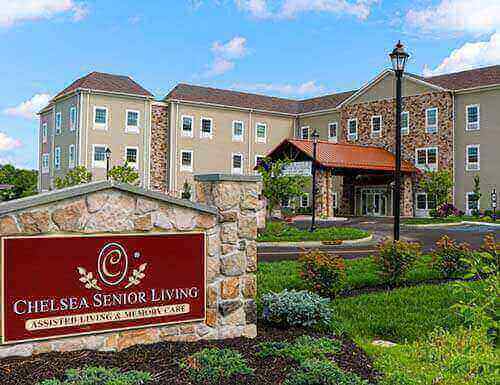
At Chelsea Senior Living, we believe every resident deserves respect, dignity, and support. We provide a safe and welcoming environment for seniors who need help with daily living.
Our team offers personalized care and integrated services so residents can feel comfortable, secure, and supported each day. We focus on both physical wellness and senior mental health because every part of well-being matters.
We should never ignore or dismiss mental health. When families understand the signs and take action early, seniors can receive the support they deserve.
If you want to learn more about mental health for seniors and how Chelsea Senior Living can help, contact our team today. We are here to support you and your loved one with care, compassion, and peace of mind.