
















Referral Program
Know someone? Tell them about Chelsea!

Moving into a senior living community is a major life transition. While potential residents’ loved ones usually focus on medical capabilities and social activities, it’s also worth considering the types of assisted living apartments at each community. Choosing an assisted living apartment that feels like “home” can make a huge difference in your loved one’s happiness.
The apartment is their private sanctuary. It’s a place to relax, host family, and decompress after a day of activities. But how do you know which floor plan or layout is right? If you are touring communities and comparing assisted living apartments, here are the 5 essential factors to consider.
When viewing different apartments, try to visualize your loved one’s daily routine within the space. For many seniors, a studio apartment is actually the safest and most practical choice. Because the sleeping area, living space, and bathroom are all in proximity, the risk of falls is reduced. Studio apartments are also easier to navigate for those with mobility issues.
However, if your loved one is highly independent or plans to host guests frequently, a one-bedroom apartment might be the best choice. These floor plans provide a distinct separation between the bedroom and living area that might feel more familiar.
For those who are particularly social or looking to stretch their budget, a companion suite can be an excellent option. Sharing a suite often helps combat the initial loneliness of the move while significantly reducing monthly costs.
Even if your loved one is currently independent, the smartest move is to choose an apartment designed for their future needs. The bathroom is statistically the most dangerous room in any home, so this should be your primary focus during a tour.
Look specifically for assisted living apartments that feature:
Where the apartment is located inside the community is a detail many families overlook. However, it can have a big impact on daily life. If your loved one uses a walker or tires easily, you should prioritize an apartment near the elevator or the dining room. Being closer to the “hub” of activity removes the barrier of a long walk, which encourages them to attend meals and social events.
Conversely, if your loved one is a light sleeper or prefers solitude, you might specifically ask for an apartment at the end of a hallway, away from high-traffic common areas.
The biggest advantage of assisted living apartments over a traditional home is the built-in safety net. However, you need to ensure these systems are accessible. During your tour, look for emergency pull cords in the bathroom and bedroom. Crucially, check if they are reachable from the floor. If a resident falls, they need to be able to reach the cord without standing up.
Beyond the hardware, ask about the community’s protocol. At Chelsea Senior Living, for example, we balance privacy with safety, ensuring residents have independence while maintaining discreet health and safety checks.
An apartment is just four walls until you put your stamp on it. One of the best ways to ease the transition to assisted livingis to recreate the feel of your loved one’s previous home. We always encourage families to bring familiar items. These touchstones anchor the resident and significantly reduce homesickness.
Before you move, check the closet space and storage options to see how much of their wardrobe will fit comfortably. This can be a great opportunity to identify items that are particularly meaningful to your loved one.
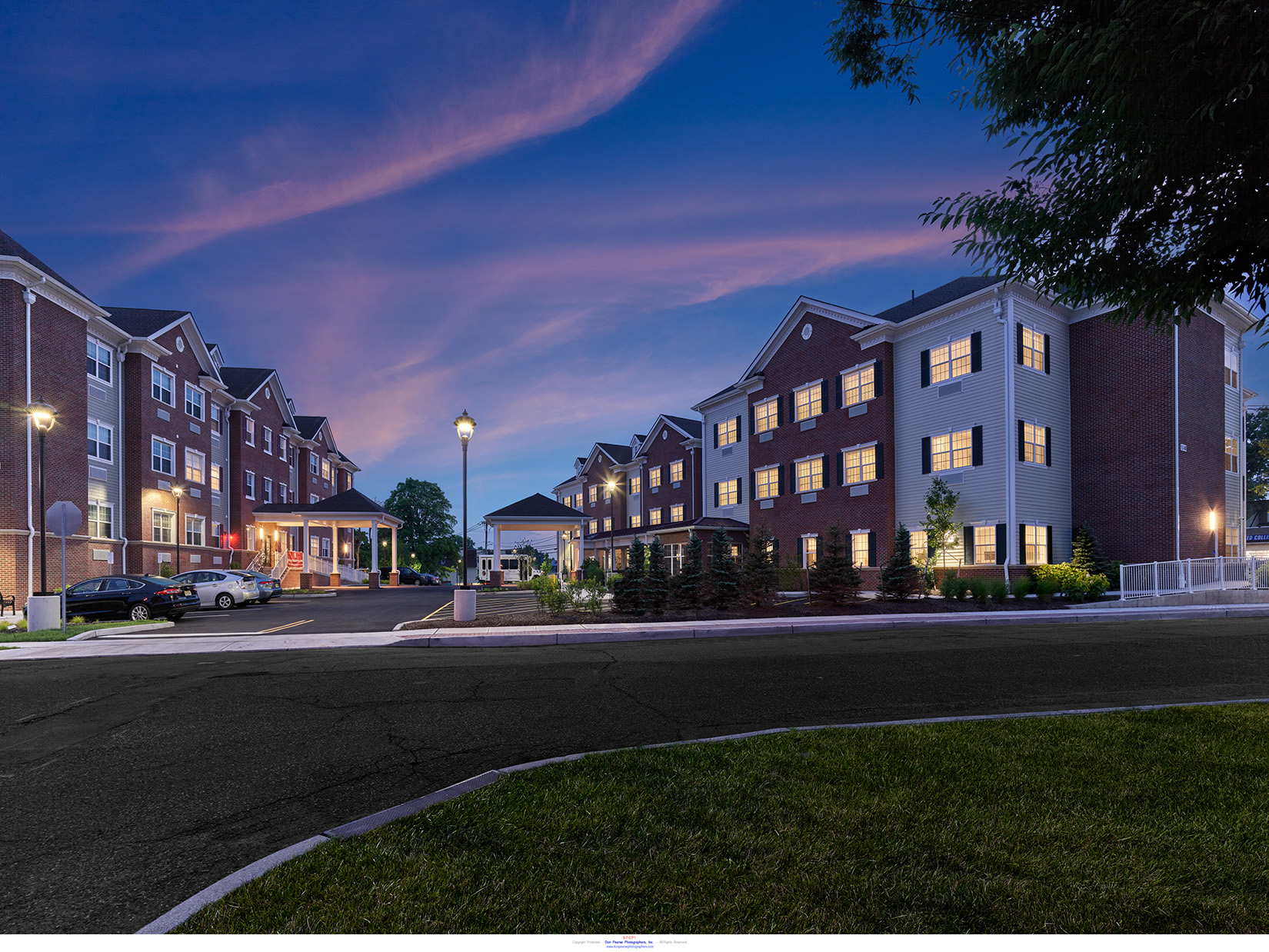
At Chelsea Senior Living, we offer a variety of floor plans designed specifically for older adults. From cozy studios to spacious one-bedroom apartments, every inch of our community is built to help residents live their lives with unlimited potential.
Explore our floor plans online or schedule a tour today to walk through our available apartments and see which floor plan feels right for you.